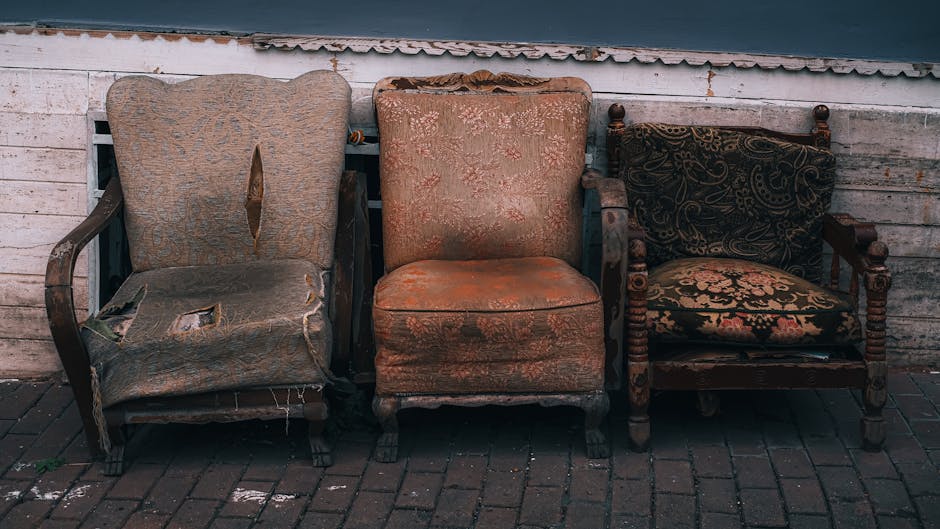
Barnet Council Rules for Upholstery Disposal Finchley: What You Need to Know Before You Move That Sofa
If you are trying to work out Barnet Council rules for upholstery disposal Finchley, you are probably dealing with one of those awkward household jobs that never feels urgent until the furniture is already in the hallway. A worn-out armchair, a damp sofa after a spill, or a bed base that has finally had enough can't just be left by the kerb and forgotten. The rules matter, the timing matters, and in a place like Finchley, the practical details matter too.
This guide breaks everything down in plain English: what counts as upholstered waste, why councils treat it differently, how disposal usually works, and what sensible options you have if you want to stay compliant without making the whole thing harder than it needs to be. To be fair, the best disposal route is usually the one that matches the item, the access, and how quickly you need it gone.
We will also cover common mistakes people make, best practices for recycling and removal, and a few real-world considerations that save stress on collection day. If you have ever stood beside a bulky sofa and thought, "right, now what?", you are in the right place.
Table of Contents
- Why Barnet Council rules for upholstery disposal Finchley Matters
- How Barnet Council rules for upholstery disposal Finchley Works
- Key Benefits and Practical Advantages
- Who This Is For and When It Makes Sense
- Step-by-Step Guidance
- Expert Tips for Better Results
- Common Mistakes to Avoid
- Tools, Resources and Recommendations
- Law, Compliance, Standards, or Best Practice
- Options, Methods, or Comparison Table
- Case Study or Real-World Example
- Practical Checklist
- Conclusion
- Frequently Asked Questions
Why Barnet Council rules for upholstery disposal Finchley Matters
Upholstered furniture is not like a cardboard box or a bag of general rubbish. Sofas, armchairs, dining chairs with padded seats, and similar items are bulky, awkward, and often made from a mix of materials. That mix is the reason local disposal rules exist in the first place. One piece of furniture may contain wood, foam, springs, fabric, metal fixings, and sometimes fire-retardant materials. Not exactly simple, is it?
For households in Finchley, understanding the rules helps for three main reasons. First, it reduces the risk of leaving items out in a way that could count as fly-tipping or an obstruction. Second, it helps you choose the right removal route, which can save time and avoid repeat trips. Third, it supports responsible waste handling, including reuse or recycling where possible.
There is also the practical side. Large upholstered items are bulky enough to block pavements, attract complaints, or get damaged if stored badly. A sofa left outside in drizzle for a day or two can quickly become heavier, smellier, and more awkward to handle. Nobody wants to drag a waterlogged two-seater down a stairwell at 7 a.m. on collection day. Been there, seen that, and it is never a joy.
In short, the rules matter because they protect the street scene, keep disposal legal, and help you avoid turning a simple clear-out into a messy problem.
How Barnet Council rules for upholstery disposal Finchley Works
While specific collection arrangements can change, the general approach in Barnet is usually straightforward: upholstered furniture needs to be presented or taken away through an approved route, not abandoned on the street. The exact method depends on whether the item is being collected as bulky waste, taken to a suitable recycling or waste facility, or removed by a private service.
In practice, the process often looks like this:
- You identify the item and decide whether it is reusable, repairable, or ready for disposal.
- You check the council's current collection rules or use an approved disposal option.
- You prepare the item safely, usually by making it accessible and separating any loose parts.
- You arrange collection or transport the item yourself.
- You keep proof of the disposal route if needed, especially for larger clear-outs or landlord-related moves.
That sounds simple, and sometimes it is. But the details can trip people up. For example, a sofa bed is not always treated the same way as a plain three-seater. A recliner might contain electrical components. Loose cushions may be accepted differently from the frame. And if the item is contaminated, badly infested, or saturated, the disposal route may need extra care.
If you are unsure, it is usually better to pause and check rather than guessing. Disposal mistakes tend to be the kind you only notice once the item is already outside and in the way.
For homeowners and tenants who are also planning a broader clear-out, it can help to look at related services such as upholstery cleaning or even sofa cleaning first if the item might be salvageable. Sometimes a thorough clean buys you another year or two. Not always, but sometimes, and that is worth considering before you bin it.
Key Benefits and Practical Advantages
Following the correct upholstery disposal route is not just about avoiding a fine or complaint. There are a few real-world advantages that make the effort worthwhile.
- Cleaner disposal: Your item goes through the right system rather than sitting on the pavement or in a communal hallway.
- Less hassle: You avoid rejected collections, missed appointments, and last-minute confusion.
- Better compliance: You reduce the risk of accidental fly-tipping or improper waste handling.
- More sustainable outcomes: Usable materials can sometimes be reused, repurposed, or processed more responsibly.
- Safer handling: Getting rid of bulky furniture properly reduces the chance of injury while moving it.
There is also a subtle but important benefit: peace of mind. When a sofa is out of the way the right way, the room feels different. Quieter, somehow. Less cluttered. You notice the floor again. The whole space opens up.
If you are managing a move, a tenancy end, or a family home clearance, that sense of order can be genuinely helpful. Small win, but a real one.
Who This Is For and When It Makes Sense
This guidance is useful for a fairly wide group of people in Finchley and the wider Barnet area. If any of the following sounds familiar, the rules are relevant to you:
- You are replacing a sofa, armchair, futon, or dining chair with upholstery.
- You are clearing furniture after a move, renovation, or tenancy change.
- You need to dispose of an item that is too large for normal household waste.
- You want to know whether a reusable item should be cleaned, donated, or removed.
- You are managing a landlord, letting, or property maintenance issue.
- You are trying to avoid leaving bulky furniture in a communal area.
It also makes sense if the item has specific problems, such as odour, staining, pet damage, mould, or structural collapse. In some cases, the answer may be cleaner than disposal. For instance, a fabric sofa with localised staining may benefit from stain removal or pet stain odour removal before you decide it has reached the end of the road.
Truth be told, lots of people dispose of upholstered furniture a little too quickly. A quick check can sometimes save money and reduce waste. But if the frame is broken, the padding is collapsed, or the item is badly contaminated, disposal is usually the sensible call.
Step-by-Step Guidance
Here is a practical way to handle upholstered furniture disposal in Finchley without making a mess of it.
1. Identify what you are getting rid of
Start with the basics. Is it a sofa, chair, stool, mattress, sofa bed, or something else upholstered? Does it contain electrical components, such as a recliner motor or integrated lights? The more mixed the item, the more care you need to take.
2. Check whether it can be reused
If the item is still in decent condition, consider reuse first. A clean, solid armchair is very different from a sagging one with split seams and a broken spring. If you are unsure, ask yourself a simple question: would someone actually want this in their home as it stands?
3. Decide on the disposal route
The main options are usually council collection, a licensed private removal service, or transport to an appropriate waste site if that is permitted and practical. Your choice may depend on size, condition, access, and urgency.
4. Prepare the item properly
Remove loose cushions, detachable feet, covers where practical, and any personal items that have ended up down the back of the sofa. You would be surprised what people find there. Coins, remote controls, old receipts, the occasional missing sock... the usual.
5. Make access easy
Move the item to where it can be collected without blocking the pavement, shared entrance, or fire escape. If it is large, measure doorways and stair turns before collection day. A two-seater can become a very different animal once it reaches a narrow landing.
6. Confirm the timing
If you are using a scheduled collection, make sure the item is out when required and protected from weather where possible. Early evening rain can soak fabric surprisingly fast.
7. Keep any confirmation or record
If your disposal route gives you a booking reference, receipt, or confirmation email, keep it. It is useful if any issue comes up later.
A simple, organised process is usually enough. The key is not to rush the decision just because the furniture is in the way.
Expert Tips for Better Results
Over time, one thing becomes clear: the easiest disposal jobs are the ones planned one step ahead. A few small habits make a big difference.
- Measure before moving: Check door width, hall turns, and lift access before you commit to carrying the item out.
- Separate components: If the item allows it, remove detachable parts so handling is safer and lighter.
- Think about salvage value: If the structure is fine but the cover is dated, it may be worth cleaning or rehoming rather than disposing.
- Protect common areas: In flats and shared buildings, avoid leaving bulky furniture where it blocks access for neighbours.
- Document the condition: A few quick photos can help if you are arranging disposal for a landlord, tenant handover, or insurance-related matter.
Another useful tip: combine jobs where it makes sense. If you are clearing an entire sitting room, it can be efficient to deal with the upholstery alongside carpets and rugs. Many people pair furniture disposal with carpet cleaning or rug cleaning so the room is reset properly rather than patched together.
That little bit of planning often saves a second round of effort. And yes, the second round always feels longer than the first.
Common Mistakes to Avoid
There are a few repeat offenders when it comes to furniture disposal. Nothing dramatic, just the sort of avoidable mistakes that make the job harder than necessary.
- Leaving furniture outside too early: It may be collected later than you expect, which can create a nuisance or an obstruction.
- Assuming all upholstered items are treated the same: A chair, sofa bed, and recliner may need different handling.
- Forgetting about access: A sofa that fits in the lounge may still get stuck in a stairwell.
- Ignoring contamination: Mould, pests, bodily fluids, or severe odour may affect how the item should be handled.
- Mixing in other waste: Household rubbish stuffed inside furniture can create problems at disposal time.
- Using unlicensed removal options: If someone offers to take it away cheaply but cannot explain where it goes, that is a red flag.
One common slip-up is assuming that "someone will take it away" counts as proper disposal. Not always. If the furniture ends up dumped somewhere else, the responsibility can come back to bite you. Nobody needs that headache.
Tools, Resources and Recommendations
You do not need much to handle upholstered disposal well, but a few simple tools make life easier.
- Measuring tape: Useful for doorways, lifts, and stair turns.
- Gloves: Handy if fabric is torn, dusty, or damp.
- Furniture sliders or a dolly: Helpful for heavy items, though only if the route is clear and safe.
- Strong refuse sacks or labels: Useful if you are separating cushions, screws, or loose accessories.
- Phone camera: Good for before-and-after documentation.
On the admin side, keep your booking confirmation, any disposal receipt, and details of who collected the item. For residents planning broader home improvements or clear-outs, it can also help to review the company's general policies, such as terms and conditions and insurance and safety, so you know what is covered and what is not.
If sustainability matters to you, it is worth reading about recycling and sustainability. Upholstered waste is not always easy to recycle, but better sorting and responsible handling can still improve the outcome.
And if you are comparing service levels or trying to understand what a removal job may involve, the page on pricing and quotes is often a useful place to start. No one likes surprise costs, especially on top of moving furniture around.
Law, Compliance, Standards, or Best Practice
When disposing of upholstered furniture in the UK, the safest approach is to treat it as bulky waste that should be handled through a legitimate, traceable route. The exact council process may vary by location and service type, so it is sensible to check the current local arrangements rather than relying on old instructions from a neighbour or a forum post from three years ago.
Best practice generally means:
- not leaving bulky items in public places without an approved collection in place;
- using a lawful collection or disposal route;
- avoiding unlicensed waste carriers;
- keeping proof of disposal where appropriate;
- handling damaged, wet, or contaminated items with extra care.
If the item contains electrical components, batteries, or mechanical parts, it may also need separate handling. That is especially relevant for recliners, sofa beds with mechanisms, or furniture with integrated electronics. In those cases, do not assume the whole item can be treated as one simple lump of waste.
For commercial settings, landlords, and managing agents, the standard is even stricter in practice. Clear records matter, access control matters, and timely removal matters. A sofa in a flat conversion or office suite is not just an object; it is part of a managed environment. Slightly dull, yes, but very real.
When in doubt, act conservatively. Responsible disposal is usually the lower-risk choice, and it avoids the awkward conversation later if an item has been dumped or mishandled.
Options, Methods, or Comparison Table
There is more than one way to deal with upholstered furniture, and the best method depends on your item and your timeline. Here is a practical comparison.
| Option | Best for | Advantages | Trade-offs |
|---|---|---|---|
| Council collection route | Standard bulky upholstered items | Structured, official, relatively straightforward | May involve timing limits or booking rules |
| Private removal service | Urgent clear-outs, heavy items, difficult access | Flexible, convenient, less lifting for you | Usually costs more than doing it yourself |
| Reuse or donation | Good-condition furniture | Extends item life, reduces waste | Not suitable for damaged, dirty, or unsafe items |
| Repair or re-cover | Solid frames with cosmetic wear | Can be cheaper than replacement | Not worth it if the core structure is failing |
There is no single "right" answer for every household. If you are moving out quickly, a private removal option may make sense. If the item is still usable, reuse is often the better environmental choice. If the sofa is simply beyond saving, then disposal through the proper route is the neatest solution.
Case Study or Real-World Example
Picture a typical Finchley flat on a damp Thursday evening. The tenant has bought a new sofa, the old one is sitting in the living room, and the lift is just big enough to make the move awkward. There is also a narrow landing, a neighbour who is trying to get a buggy through the hallway, and not much patience left after work.
In a case like that, the smart approach is usually not brute force. First, measure the route. Second, remove anything detachable from the sofa. Third, decide whether the item is reusable or definitely for disposal. If it is going, book the correct removal route and keep it out of the communal area until collection timing is clear. If it can still be used, a quick clean may improve its chances of donation or reuse.
What makes this kind of situation tricky is not the sofa itself. It is the timing, the access, and the fact that everyone else in the building also needs to get on with their day. If you plan ahead, the job is dull but manageable. If you do not, it becomes one of those oddly stressful household tasks that lingers for hours.
In our experience, people remember the stress more than the sofa. Fair enough, really.
Practical Checklist
Use this checklist before you arrange or carry out upholstered furniture disposal in Finchley:
- Identify the item clearly: sofa, chair, sofa bed, footstool, or recliner.
- Check whether it is reusable, repairable, or ready for disposal.
- Look for loose parts, sharp edges, or hidden damage.
- Measure doorways, stairs, and lift access.
- Remove cushions, feet, and detachable components where appropriate.
- Confirm the approved disposal route.
- Keep the item out of the way until collection time.
- Protect shared areas and avoid blocking exits.
- Keep booking details or disposal confirmation.
- Follow up promptly if the collection does not happen as expected.
If you can tick those off without rushing, you are in good shape. Simple as that.
Conclusion
Understanding Barnet Council rules for upholstery disposal Finchley comes down to one thing: handling bulky furniture through the right route, at the right time, and with enough planning to avoid hassle. Upholstered items are awkward by nature, but the process does not need to be complicated. Once you know whether the item can be reused, repaired, or should be removed, the rest becomes much more manageable.
For many households, the best outcome is a clean, compliant disposal plan that keeps the property tidy and avoids any street-level mess. For others, the better answer is to freshen up the item first, then decide. Either way, a little judgement goes a long way.
If you are clearing a room, replacing furniture, or dealing with an old sofa that has finally given up, take the practical route and make the job easier on yourself.
Get a free quote today and see how much you can save.
And when the last bulky item is gone, the room tends to feel lighter. Not just cleaner. Lighter. That is usually the moment people breathe out and think, yes, sorted.
Frequently Asked Questions
Can I leave an old sofa outside in Finchley for collection?
You should only leave it out if you are following the correct collection process and timing. Leaving a sofa out early or without an approved arrangement can create a nuisance or be treated as improper waste handling.
What counts as upholstered furniture?
Typically, this includes sofas, armchairs, padded dining chairs, footstools, sofa beds, and similar items with fabric, leather, or cushioned coverings. If the item has foam padding or soft upholstery, it usually falls into this category.
Do I need to separate cushions from the frame?
Not always, but separating detachable parts can make handling easier and may help with sorting. It also reduces the chance of items getting stuck, damaged, or left behind.
Can damaged or stained upholstery still be donated?
Usually not, if the item is heavily stained, damaged, or unhygienic. Donation options tend to require furniture that is clean, safe, and in usable condition. A quick judgement call helps here.
What if my sofa has a recliner or electric mechanism?
That type of furniture may need extra care because it can contain electrical parts or moving mechanisms. Do not assume it is treated the same as a basic sofa.
Is it better to clean the furniture before disposal?
If you are considering reuse, sale, or donation, yes. A clean item has a better chance of being accepted. If it is already destined for disposal, cleaning is optional unless it makes handling safer or easier.
How do I know whether I should repair or dispose of it?
If the frame is solid and the issue is mostly cosmetic, repair or re-covering might be worthwhile. If the frame is broken, the springs have collapsed, or the item smells badly, disposal is often the better call.
What happens if furniture is dumped illegally?
Illegal dumping can create enforcement issues and may lead to removal costs or other consequences depending on the circumstances. It is always safer to use a proper, traceable disposal route.
Can I get rid of a mattress the same way?
Mattresses are similar in that they are bulky and often require special handling, but the disposal method may differ from upholstered furniture. If you are clearing both, treat each item separately and check the correct route.
How far in advance should I arrange disposal?
As early as you can, especially if access is awkward or you are working to a moving date. A little lead time helps you avoid last-minute stress and missed collection windows.
What should I do if the furniture is in a shared hallway?
Move it as soon as possible and avoid leaving it where it blocks access. Shared spaces should stay clear, especially in flats and converted properties where people need safe passage.
Is private removal worth it for one sofa?
It can be, particularly if the item is heavy, you have no suitable vehicle, or the stairs are tight. If convenience and speed matter more than doing it yourself, a private removal route may be the simplest option.