Common problems with sofa cleaning in West Finchley
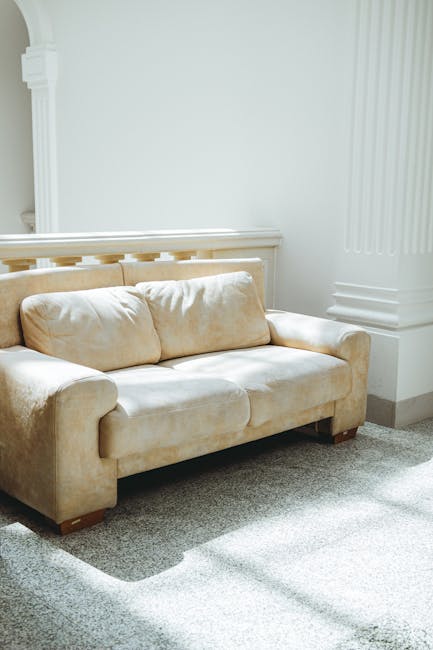
If you have ever stared at a tired sofa and wondered why it still looks patchy after cleaning, you are not alone. Common problems with sofa cleaning in West Finchley tend to show up in the same frustrating ways: water marks, lingering smells, colour loss, sticky residues, and that annoying moment when a "clean" sofa somehow looks worse than before. It is a familiar story in family homes, flats, busy rentals, and smaller living rooms where furniture gets a lot of daily use.
Truth be told, sofa cleaning sounds simple until fabric type, cushion construction, old stains, pet odours, and drying time all get involved. This guide breaks down the real issues people run into, why they happen, how to avoid them, and what good practice looks like in a West Finchley home. You will also see where professional help may make more sense than a quick DIY attempt.
One small but useful note before we get into it: sofas are not just "another soft item". They can hold grease, dust, drink spill residue, body oils, and trapped moisture deep inside the fibres. That is why the job can be a bit fiddly. Sometimes very fiddly.
Why Common problems with sofa cleaning in West Finchley matters
West Finchley homes often need a practical, careful approach to sofa care. Many properties here have compact living areas, shared family spaces, and busy routines, which means sofas get used constantly. A sofa is where children snack, pets curl up, guests sit, and everyone drops onto the cushions after a long day. That everyday use is exactly why cleaning problems become noticeable so quickly.
The biggest issue is not just appearance. Poor cleaning can shorten the life of upholstery, leave a musty smell, or set a stain permanently into the fabric. A damp sofa that dries too slowly can also develop a flat, slightly sour odour that nobody wants to sit next to. And yes, it happens more often than people think.
In our experience, the most common complaint is simple: "It looked fine for a day, then the marks came back." That usually points to residue, hidden contamination, or uneven drying rather than true cleaning failure. The point is, if you know what the typical problems are, you can avoid wasting time, money, and patience.
How Common problems with sofa cleaning in West Finchley works
Sofa cleaning generally follows a few broad stages: inspection, fabric testing, spot treatment, main cleaning, extraction or wiping, and drying. The method changes depending on whether the sofa is fabric, microfiber, leather, velvet, or a mixed-material piece with removable cushions.
The problems begin when the cleaning method does not match the material. A strong wet clean on a delicate fabric can leave rings. Over-wetting can push dirt deeper. Using the wrong detergent can make the sofa feel sticky. Even vacuuming too lightly can leave grit behind, which then turns into mud once moisture hits the fibres. Not ideal.
To be fair, most cleaning mistakes come from rushing. A sofa can look straightforward, but the fabric might react differently on the arms, seat, and back cushions. The seams, piping, and buttoned areas can trap soil too. That is why a careful, section-by-section approach matters far more than a quick all-over scrub.
If you are comparing upholstery care options, it helps to think of upholstery cleaning as the broader service category, with sofa cleaning being one part of that work. For heavily soiled pieces, stain handling may also need to be considered alongside stain removal rather than treated as a one-step job.
Key benefits and practical advantages
When sofa cleaning goes well, the difference is noticeable straight away. The fabric looks brighter, the room smells fresher, and the whole space feels less heavy. That may sound a little dramatic, but if you live with a pale sofa and a dog, you will know exactly what I mean.
- Better appearance: Colours look more even and stains become less visible.
- Improved comfort: Clean fibres feel softer and less gritty.
- Reduced odours: Spills, pet smells, and everyday build-up are less likely to linger.
- Longer fabric life: Dirt and grit cause wear, so removing them helps slow damage.
- More hygienic living space: Especially useful in homes with children, visitors, or pets.
There is also a practical side that people sometimes miss. A properly cleaned sofa is easier to maintain later. Once grease, soil, and old residue are removed, future vacuuming and spot treatment tend to work better. You are not fighting years of build-up every time.
If you are weighing up whether to bundle services, some households also choose rug cleaning or curtain cleaning at the same time because soft furnishings often collect similar dust and odours. It can make the whole room feel more balanced, not just the sofa.
Who this is for and when it makes sense
This topic matters to a lot of people, but especially to homeowners, tenants, landlords, letting agents, and anyone managing a home with kids or pets. If your sofa gets daily use and you are starting to notice dark armrests, food marks, or a faint smell that never quite goes away, you are in the right place.
It also makes sense if you are preparing for guests, moving out, getting a property ready for viewing, or refreshing a room after winter. In January, for example, homes often feel closed up, which can make stale sofa odours seem worse. Then by spring, you notice them properly. Funny how that works.
Professional cleaning is often worth considering when:
- the sofa has a delicate or unknown fabric
- stains have been there for weeks or months
- pets have repeatedly used the same area
- the sofa has already been cleaned badly once
- you need a more reliable finish before an event or inspection
If you want to understand service options, the dedicated sofa cleaning page is the most relevant place to review what is typically included, while pet stain and odour removal may be more appropriate where animals are involved.
Step-by-step guidance
A sensible sofa cleaning process usually starts before any liquid touches the fabric. That is where many problems are avoided, honestly.
- Identify the fabric type. Check labels and feel the texture. Velvet, chenille, linen blends, microfibre, and leather all behave differently.
- Vacuum thoroughly. Use a crevice tool around seams, under cushions, and along the arms. Loose grit can turn into sludge later if skipped.
- Test a hidden patch. Try the cleaning product in a discreet area first to check for colour transfer, shading, or texture change.
- Treat stains separately. Dab, do not rub. Work from the outside in to avoid spreading the mark.
- Clean in sections. This helps you control moisture and keep an eye on how each part reacts.
- Extract or remove residue properly. Leftover detergent can attract dirt and cause re-soiling.
- Dry the sofa fully. Open windows if needed, use airflow, and avoid sitting on it too soon.
That final step matters more than many people expect. A sofa that feels only slightly damp can still be holding moisture deep inside the cushions. Give it time. Rushing this part is how odours return later in the day.
Expert tips for better results
Here is the part that saves headaches. A good result is not just about the cleaning product; it is about control, patience, and knowing when to stop. Not glamorous, but true.
- Use less water than you think. Upholstery often needs measured moisture, not soaking.
- Blot with clean, white cloths. Coloured cloths can transfer dye, and kitchen roll tends to shred.
- Work with the room temperature in mind. A cold, closed room slows drying and can trap smells.
- Pay attention to the arms and headrest area. That is where body oils and grime collect most.
- Keep pets off the sofa until it is fully dry. Easier said than done, I know.
One more thing: if the sofa has a stubborn patch that does not improve after careful spot treatment, stop there and reassess. Repeating the same aggressive action often makes the damage more obvious. A cleaner, smaller mark is better than a larger, faded halo around it.
When a job looks more complex than expected, it can help to compare sofa care with broader upholstery cleaning methods. In some homes, a specialist cleaning approach is needed because the fabric construction or stain type is not forgiving.
Common mistakes to avoid
This is where most of the trouble starts. People often mean well, but a few simple missteps can create a bigger problem than the original mark.
- Using too much detergent: It can leave a tacky residue that attracts dirt.
- Scrubbing hard: That can damage fibres and push stains deeper.
- Cleaning without vacuuming first: Grit and crumbs interfere with the process.
- Skipping fabric checks: Not every sofa is suitable for the same treatment.
- Over-wetting cushions: This can cause slow drying, rings, and musty smells.
- Ignoring old spills: Set stains usually need a more careful approach.
Another classic one: people clean just the visible stain, then wonder why a pale outline remains. That outline is often the residue or the edge of the original spill spreading through the fibres. Annoying, yes. Preventable, also yes.
If the issue is a badly marked seat cushion, the stain may need more than a general clean. Targeted stain removal can be a better fit than treating the whole sofa in the same way.
Tools, resources and recommendations
You do not need a massive kit to keep a sofa in good shape, but a few sensible tools help a lot. Start with the basics and keep things simple.
- Vacuum cleaner with upholstery attachment: Essential for dry soil removal.
- Soft brush: Useful for lifting surface dust on sturdy fabrics.
- Microfibre cloths: Good for blotting and controlled wiping.
- Neutral upholstery cleaner: Choose one suited to the fabric type.
- Fan or open window: Helps drying and freshness.
A practical recommendation: keep a small spot-cleaning kit nearby, but do not treat every stain the same way. Ink, food, drink, oil, pet mess, and makeup all behave differently. A quick response helps, but the wrong quick response is how problems spread.
If your sofa problem is part of a bigger room refresh, steam carpet cleaning can sometimes complement the upholstery work, especially in homes where floors and soft furnishings hold similar dust and traffic marks. That said, the right method still depends on the material. No single approach fixes everything, despite what the internet would like you to believe.
Law, compliance, standards, or best practice
For ordinary household sofa cleaning, there is not usually a complicated legal process to worry about. Still, good practice matters. In the UK, reputable cleaning providers should follow sensible health and safety procedures, use products appropriately, and take care around customers, furnishings, and any vulnerable household members.
If you are hiring a company, it is reasonable to ask about insurance, safe product use, and how they manage dry times and fabric testing. That is not being difficult. It is just sensible due diligence, especially if the sofa is expensive or custom-made.
For anyone booking professional help, useful trust signals include clear pricing, transparent terms, and straightforward communication about what can and cannot be cleaned safely. You can review practical details on pricing and quotes, plus the site's terms and conditions, insurance and safety, and health and safety policy pages for a clearer picture of service expectations.
There is also a broader duty of care angle in homes with children, older adults, or pets: avoid strong fumes, make sure the area is ventilated, and keep the cleaning process tidy. Small things, but they matter.
Options, methods, and comparison table
Not every sofa problem needs the same fix. Some issues respond well to light maintenance, while others need a much more controlled treatment. Here is a simple comparison to make that easier to judge.
| Method | Best for | Typical downside | Good choice when |
|---|---|---|---|
| Vacuuming and dry maintenance | Dust, crumbs, surface debris | Will not remove deep staining | The sofa looks dull but not heavily marked |
| Spot treatment | Fresh spills and small marks | Can leave rings if overdone | You catch the stain early |
| Light upholstery cleaning | General refresh and light soiling | Needs careful drying | The sofa is tired but not badly damaged |
| Deep sofa cleaning | Built-up grime, odours, heavier use | More time, more drying, more risk if rushed | Marks are widespread or the sofa smells stale |
For pet-related problems, the comparison changes again. If the issue is odour rather than visible staining, a dedicated pet stain odour removal approach is often more useful than standard cleaning alone. Smell tends to live deeper than people expect.
Case study or real-world example
A fairly typical West Finchley scenario goes like this: a family sofa in a living room near the front window starts to show dark marks on the arms and a pale patch on one seat cushion. The owner tries a supermarket spray first. It removes some surface grime, but the cushion then dries with a noticeable ring, and the seat feels a little sticky.
What went wrong? Most likely a combination of overuse, uneven moisture, and residue left in the fibres. The more they cleaned the same spot, the more obvious the patch became. Very human mistake, by the way. Happens all the time.
A better approach in that situation would be to vacuum thoroughly, test the fabric, treat the residue carefully, and clean the entire cushion panel evenly rather than just the stain itself. If a pet smell was also present, a separate odour-focused treatment would be needed. That sort of layered problem is common in busy homes, especially where the sofa doubles as a family "everything" space.
Now imagine a landlord preparing a flat for new tenants. The sofa looks acceptable from a distance, but close up there are tea marks, crumbs in the seams, and a faint stale smell. In that case, a fast surface clean is not enough. A more complete upholstery treatment is the sensible option, because first impressions are doing a lot of work there.
Practical checklist
Use this checklist before you start. It keeps things calm and stops the classic "I'll just wing it" approach from turning into regret.
- Check the sofa label or care instructions first
- Test any cleaner on a hidden area
- Vacuum seams, cushions, arms, and under flaps
- Blot spills instead of rubbing them
- Use the smallest sensible amount of moisture
- Clean one section at a time
- Remove leftover detergent carefully
- Allow enough drying time before use
- Keep pets and children off the sofa while it dries
- Call in help if the fabric is delicate or the stain is stubborn
Expert summary: most sofa cleaning problems are not caused by dirt alone. They come from the wrong method, too much water, too much product, or not enough patience. Handle the fabric gently, and the result is usually much better.
Get a free quote today and see how much you can save.
Conclusion
The most common problems with sofa cleaning in West Finchley are predictable once you know what to look for: rings, residue, slow drying, lingering smells, fabric damage, and stains that seem to come back after the job is done. The good news is that most of these issues are avoidable with the right preparation and a careful cleaning method.
Whether you are dealing with a family sofa, a rental property, or a favourite chair that has seen one too many tea spills, the main rule is simple: match the method to the fabric, use less moisture than you think, and never rush the drying. Small habits make a big difference. Really, they do.
If you approach sofa cleaning calmly and with a bit of know-how, you will usually get a fresher, cleaner finish without the nasty surprises. And when the room smells cleaner and the cushions look even again, it just feels better. That kind of comfort is worth taking seriously.
Frequently Asked Questions
Why does my sofa look worse after cleaning?
This usually happens because of residue, over-wetting, or uneven drying. A cleaner patch can also reveal a faint ring if only one area was treated. It is frustrating, but usually fixable with the right follow-up.
What is the biggest mistake people make when cleaning a sofa?
Using too much water or cleaner is probably the most common mistake. Scrubbing hard comes close behind. Both can damage fibres and make stains spread instead of disappear.
How do I stop water marks on upholstery?
Clean in a more even pattern, use minimal moisture, and avoid leaving one spot much wetter than the surrounding fabric. Drying the whole area consistently helps too.
Can I use the same product on every sofa fabric?
No. Velvet, linen blends, microfibre, leather, and synthetic fabrics can react very differently. Always check the care label and test a hidden area first.
Why does my sofa still smell after cleaning?
The smell may be trapped deeper in the cushions or backing, especially if the sofa dried slowly. Pet odours and old spills often need more targeted treatment than a surface clean.
How long should a sofa take to dry?
Drying time varies depending on fabric, room temperature, ventilation, and how much moisture was used. A sofa should feel fully dry before heavy use, otherwise odours can return.
Are stain removers safe for all sofas?
Not always. Some products are too strong for delicate fabrics or dyed upholstery. If in doubt, use the mildest suitable product and test it first.
What should I do if a stain has been there for months?
Treat it carefully rather than aggressively. Older stains often need more than a quick spray, and some require professional attention if the fabric is sensitive or the mark has set deep.
Is professional sofa cleaning worth it for a small flat?
Often yes, especially if space is tight and drying is difficult. In smaller West Finchley homes, controlled cleaning and airflow can make a big difference to the final result.
Can sofa cleaning help with allergies?
It may help reduce dust, crumbs, and general build-up in the fabric, which can make the room feel fresher. That said, it is not a medical treatment, and results vary from home to home.
How often should a sofa be cleaned?
That depends on use. A busy family sofa usually needs more attention than a spare-room piece. Regular vacuuming helps between deeper cleans, and prompt spill treatment makes a big difference.
Where can I check service details before booking?
Useful starting points include the pages on pricing and quotes, insurance and safety, and about us. They help set expectations before anyone books a visit.